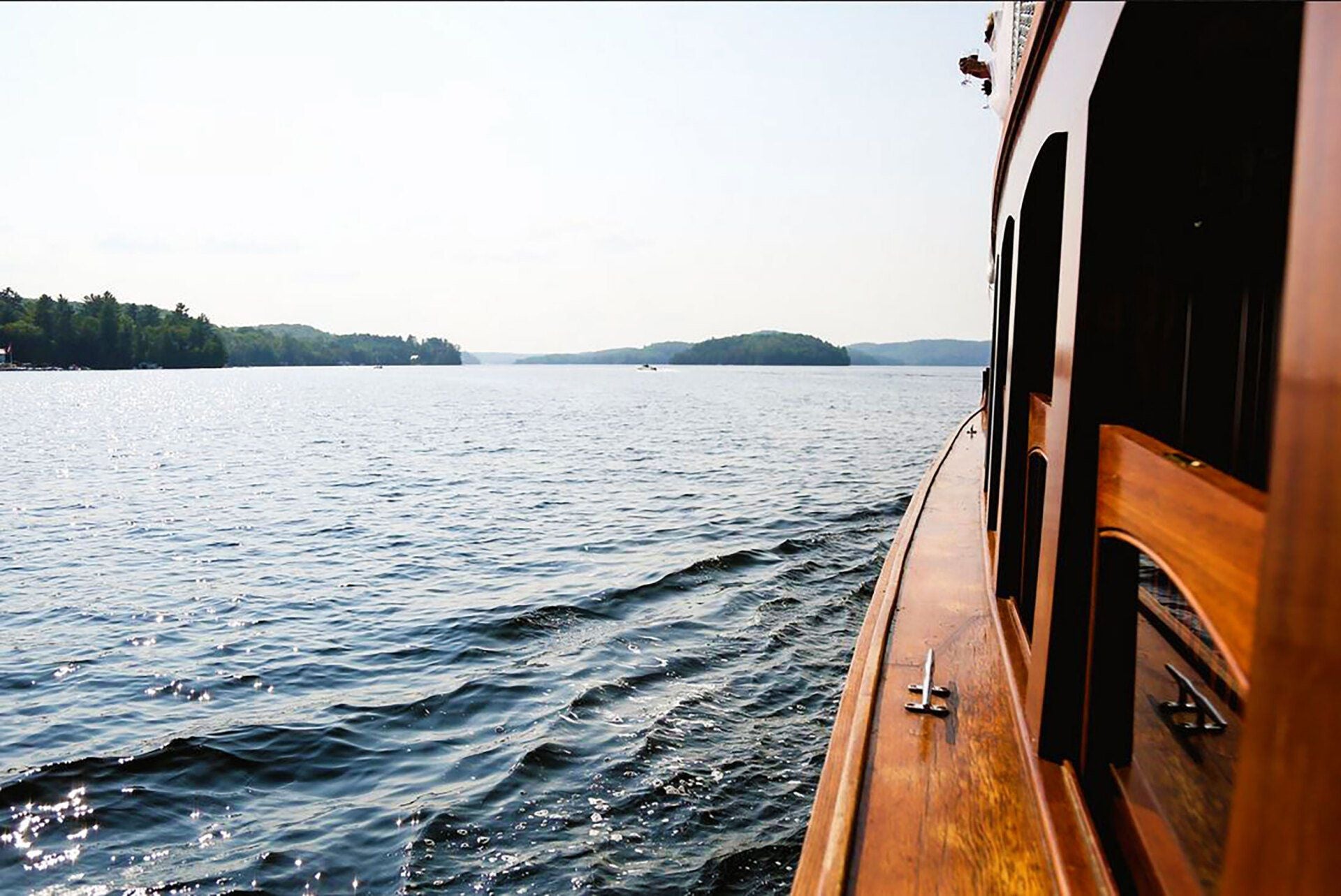
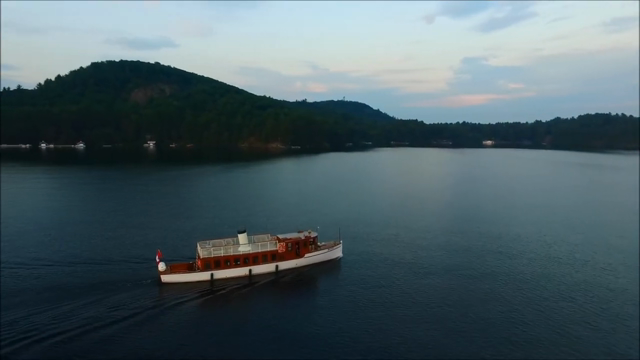
In 1910, at the Polson Iron Works shipyard on the Toronto waterfront, a wooden-hulled steamship took shape under the direction of an American industrialist named James Kuhn. A prominent figure from Pittsburgh, Pennsylvania, Kuhn had fallen in love with Muskoka's lake country — its granite shorelines, its dark water, its particular quality of silence. He commissioned a vessel worthy of the place: 66 feet in length, with an 11-foot-8-inch beam and a registered weight of 25 tons. He named her the SS Ella Mary, after his wife.
She was launched on Lake Muskoka, where the Kuhns spent their summers on Belle Isle near Beaumaris. In those days, there were no highways threading through the Canadian Shield. No paved roads connecting the small communities that dotted the Muskoka shoreline. The water was the road. And the steamships that plied these lakes were not mere pleasure craft — they were the arteries of life in the north.
Before the highway, there was the lake. And before the lake had a voice, there were the steamships that carried its stories from shore to shore.
For roughly fifteen years, the Ella Mary served as the Kuhns' private yacht on Lake Muskoka — a graceful presence on the water, admired by cottagers and visitors alike. She was built to last, with solid craftsmanship that would prove essential in the decades to come. Her official number in the British ship registry was 125835 — a detail that would later help researchers trace her remarkable journey from private luxury to public heritage.
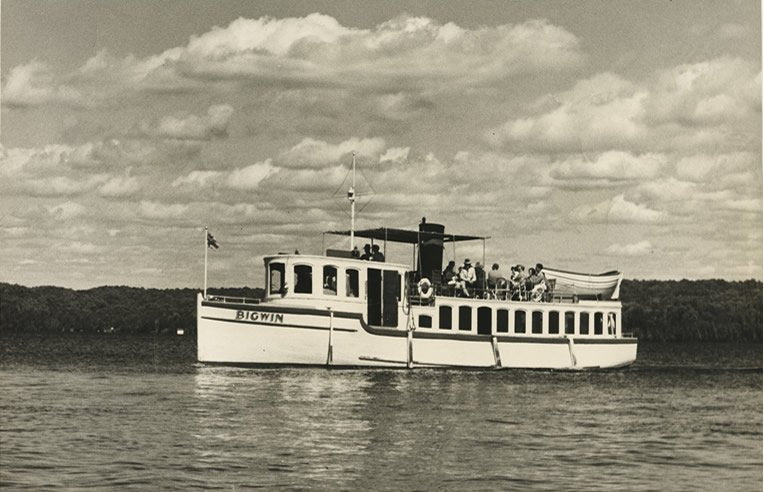
Meanwhile, on Lake of Bays — just north of Lake Muskoka, deeper into the Shield — a Michigan entrepreneur named Charles Shaw was building something extraordinary. Shaw, who owned the Huntsville Tannery and had deep business ties to the region, had begun construction of the Bigwin Inn on Bigwin Island in 1910. The Great War and its labour shortages stretched the project to a full decade, but when the Inn finally opened in 1920, it was unlike anything Ontario had seen: a sprawling resort with hundreds of rooms and a dance hall large enough for 1,000. It quickly became the biggest summer destination in eastern North America and the largest inn in the British Commonwealth.
Shaw — who had built the Inn partly out of frustration after the rival Wawa Hotel overbooked his private suite despite his financial backing — needed a vessel grand enough to match his ambitions. When the Ella Mary became available — Kuhn having fallen into financial difficulty — the Huntsville, Lake of Bays and Lake Simcoe Navigation Company purchased the vessel for $3,500. What followed was one of the most remarkable feats of inland marine logistics in the region's history: the Ella Mary travelled by rail to Huntsville, was towed to North Portage, and hauled by steam winch to South Portage on Lake of Bays — arriving on June 22, 1925.
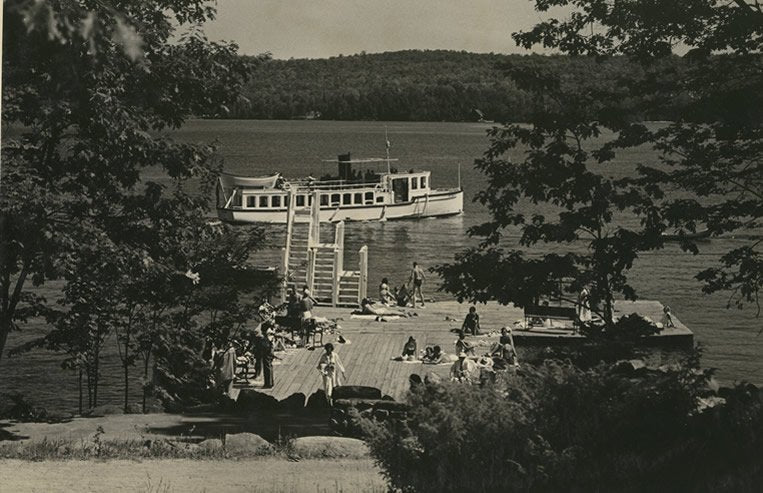
On July 4, 1925, she was officially rechristened the SS Bigwin — named for the island, the inn, and Chief Joseph Big Wind, the Ojibway leader for whom Bigwin Island itself was named. Her primary route would run from Norway Point on the mainland south shore, where guests arrived after traveling by rail to Huntsville, across the open water to Bigwin Island and the grand resort waiting on the far shore.
That crossing was no mere transit. It was a transformation. The city fell away with every passing moment. By the time passengers stepped onto the Bigwin Inn dock, they had been carried not just across a lake, but into another world entirely — one of clean air, dark water, loon calls at dusk, and the particular silence that only the Canadian north can offer.
Through the Decades
A Century on the Water
Built as the Ella Mary
A New Name, A New Lake
The Working Years
Abandoned and Submerged
Saved for a Dollar
Brought Back to Life
Sailing Once More
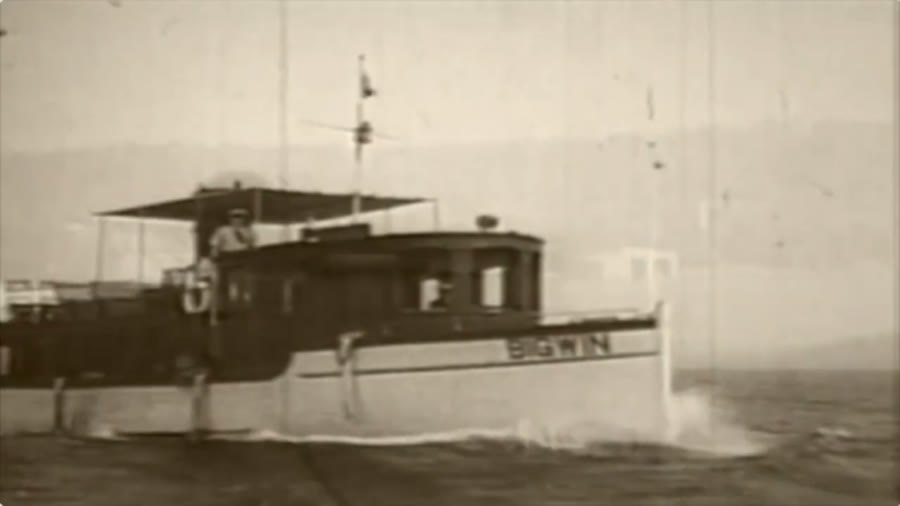
Built as the Ella Mary
Built by Polson Iron Works in Toronto for American industrialist James Kuhn, the vessel was christened the SS Ella Mary — named for Kuhn's wife — and launched as a private yacht on Lake Muskoka.
A New Name, A New Lake
Purchased by the Huntsville, Lake of Bays and Lake Simcoe Navigation Company for $3,500, the vessel was transported by rail and steam winch to Lake of Bays. Rechristened the SS Bigwin on July 4, 1925, she began ferrying guests from Norway Point to the grandest resort in eastern North America.
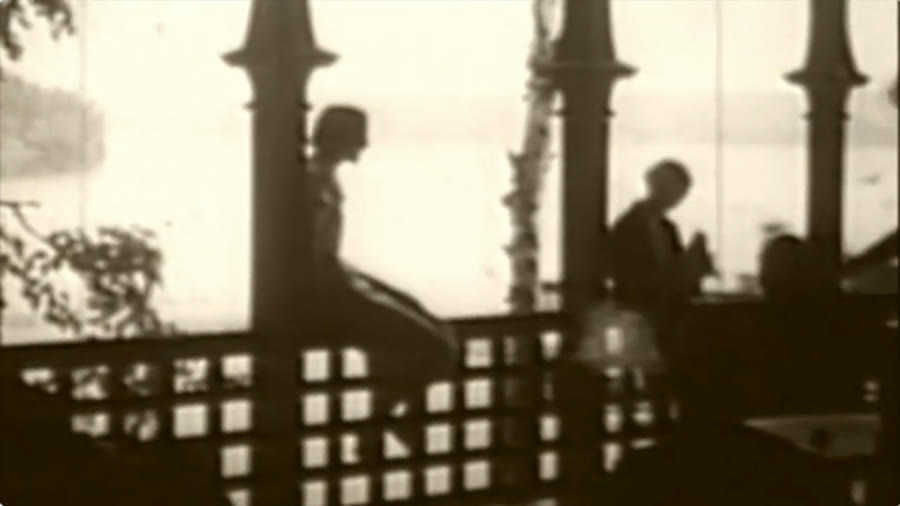
The Working Years
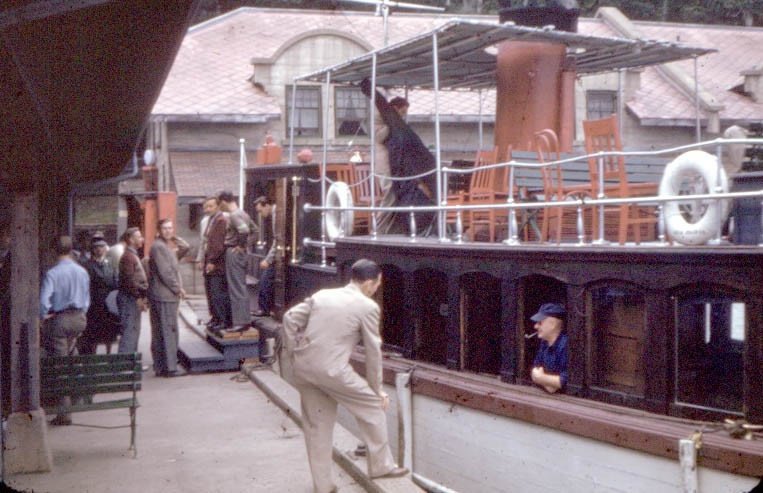
For four decades, the SS Bigwin was the heartbeat of Lake of Bays — delivering mail, supplies, and summer visitors. Her passengers included Clark Gable, Ernest Hemingway, Louis Armstrong, and the Rockefellers.
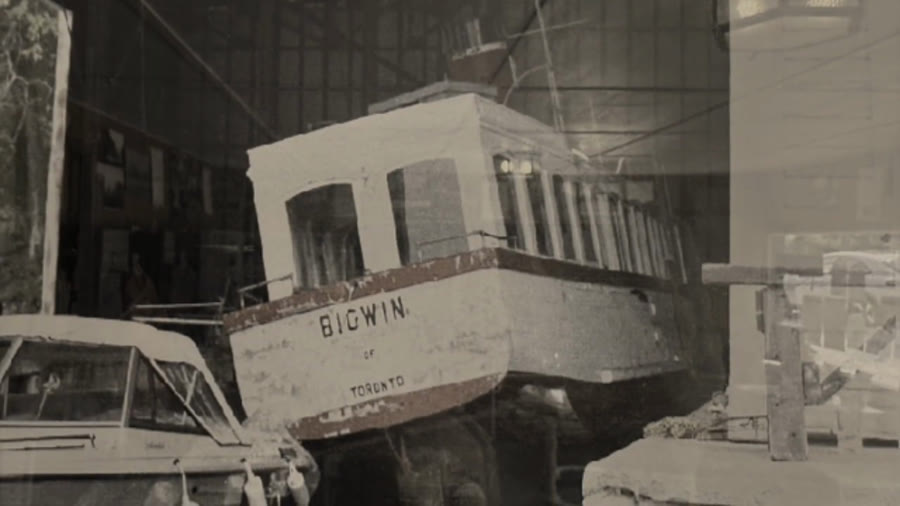
Abandoned and Submerged
After the Bigwin Inn closed in the late 1960s, the ship was left in her slip at Bigwin Island. Over two decades she gradually sank — partially submerged and deteriorating. In 1991, the Lake of Bays Heritage Foundation purchased her for one dollar.
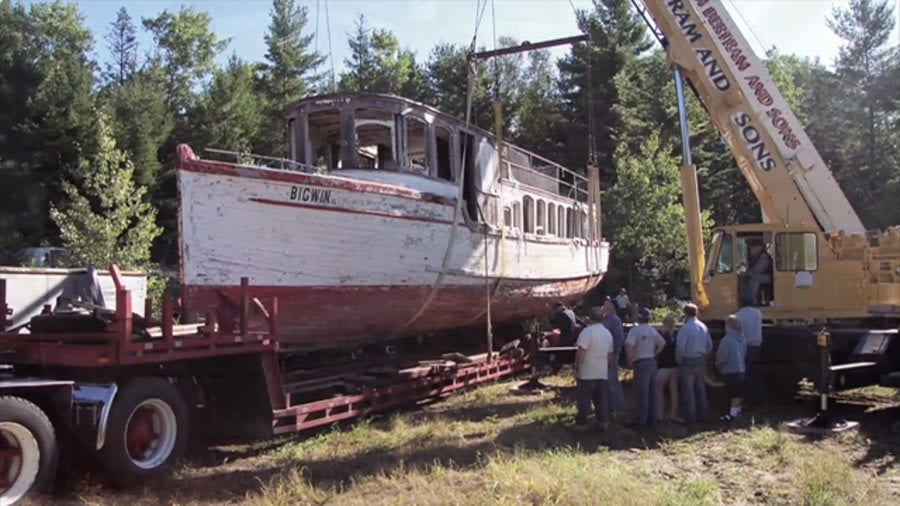
Saved for a Dollar
The dramatic raising nearly ended in disaster when the ship turned on her side and sank further. With help from the Dwight Fire Department, she was finally pulled from the water and stored in a field in Dwight — saved, but with no clear plan for her future.
Brought Back to Life
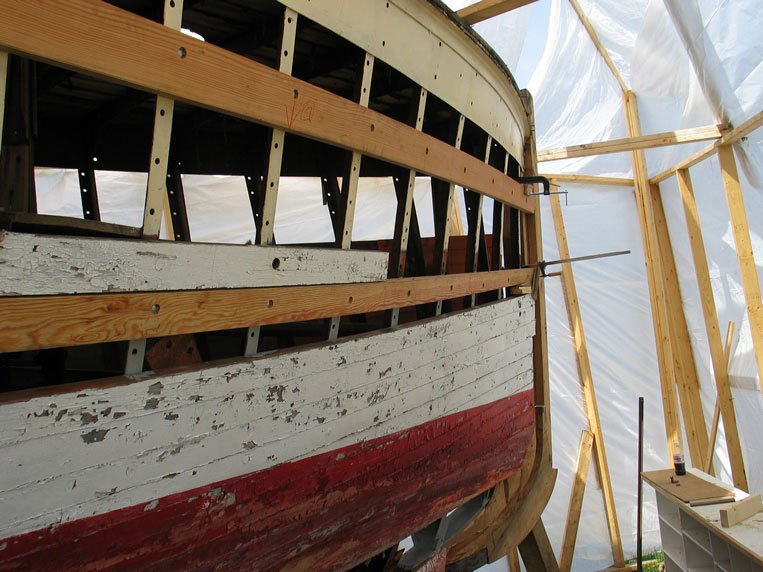
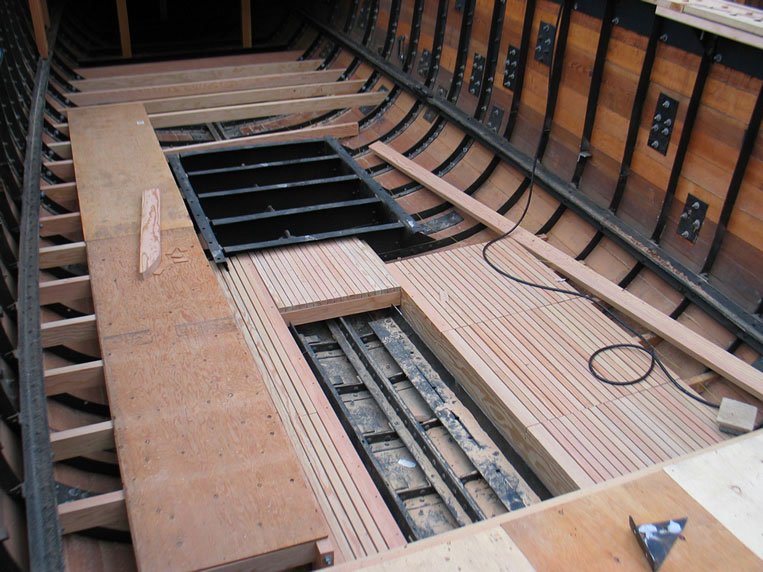
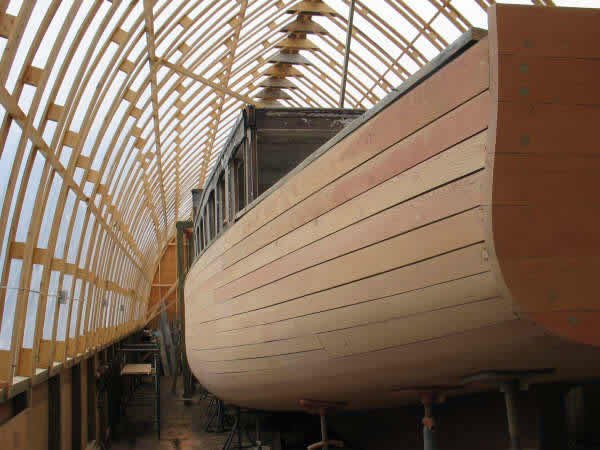
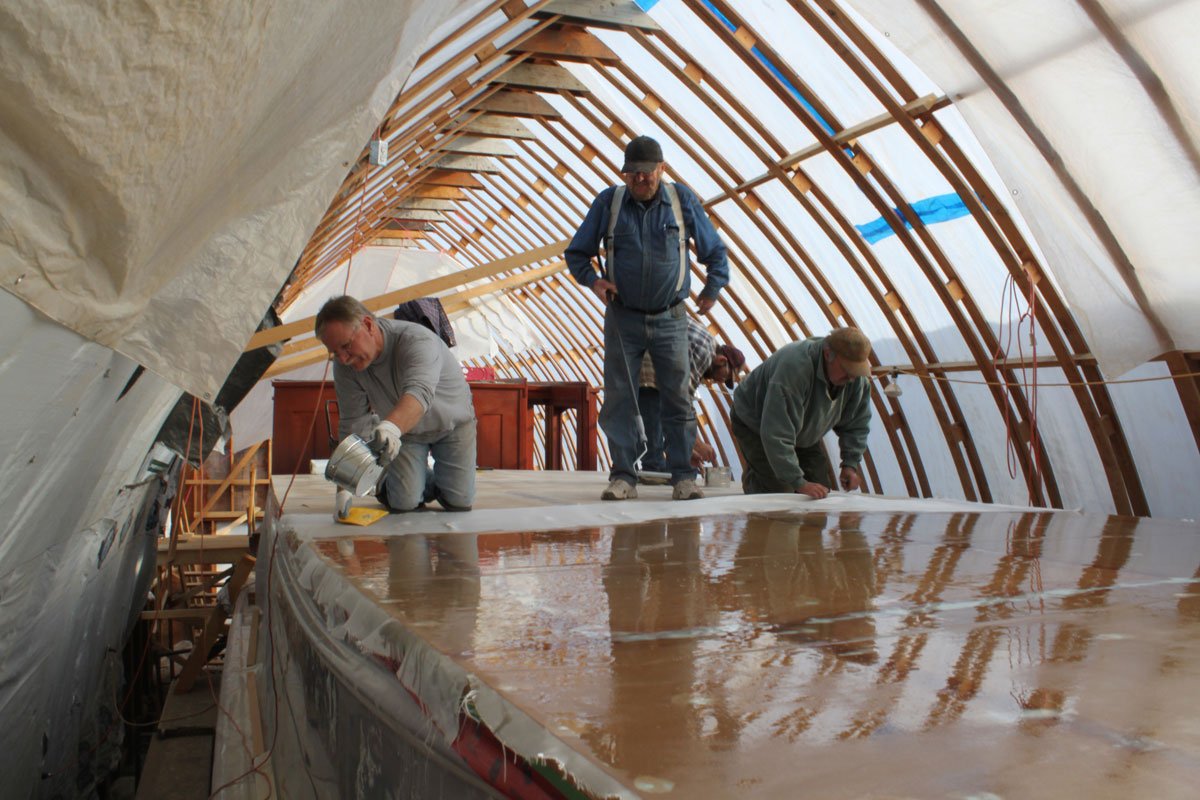
Led by Jeff Gabura and a dedicated community of volunteers, restoration began at Port Cunnington in 2002. The hull was rebuilt, steam replaced by electric propulsion, and woodwork restored by hand. On November 17, 2012, the SS Bigwin sailed again for the first time.
Sailing Once More
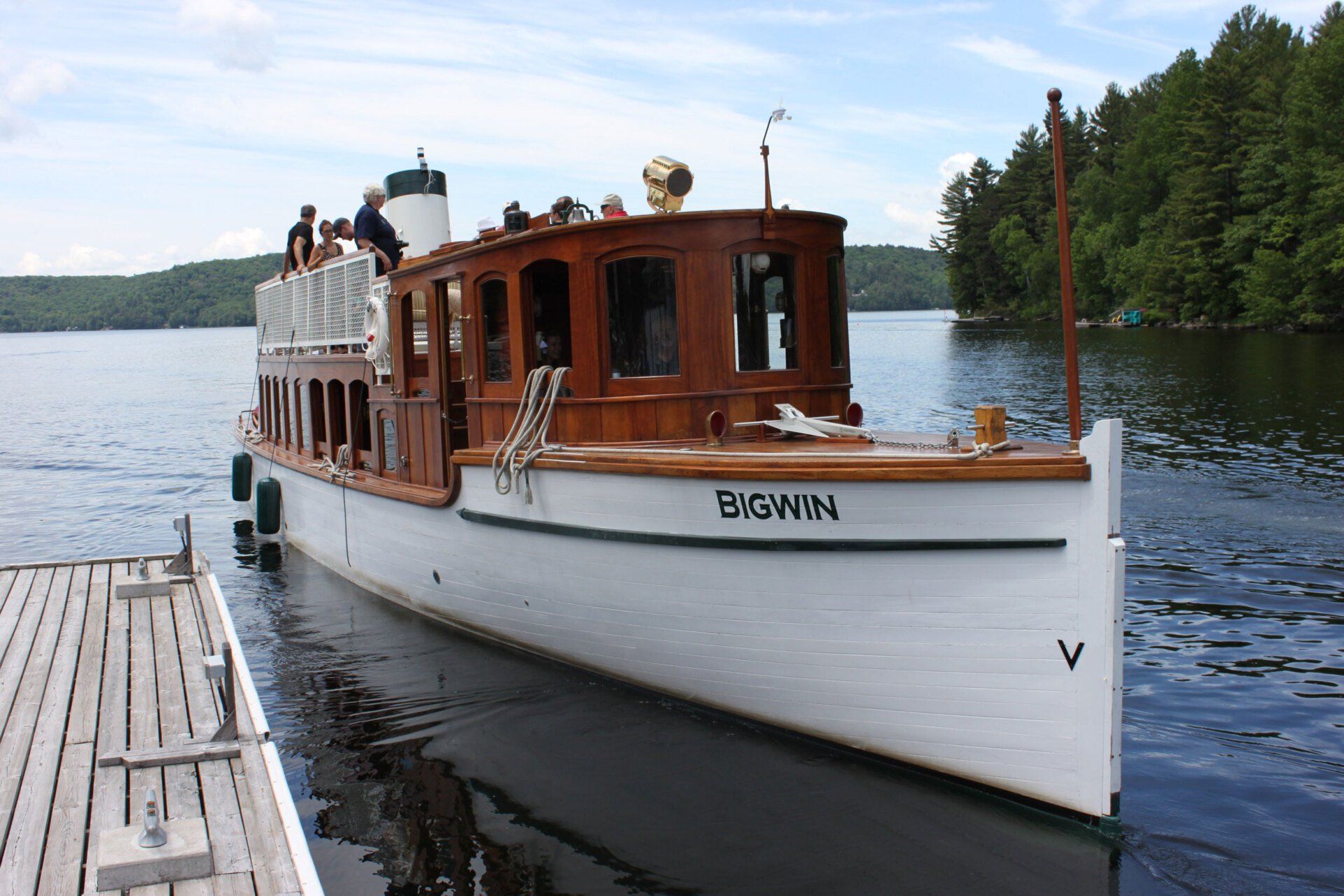
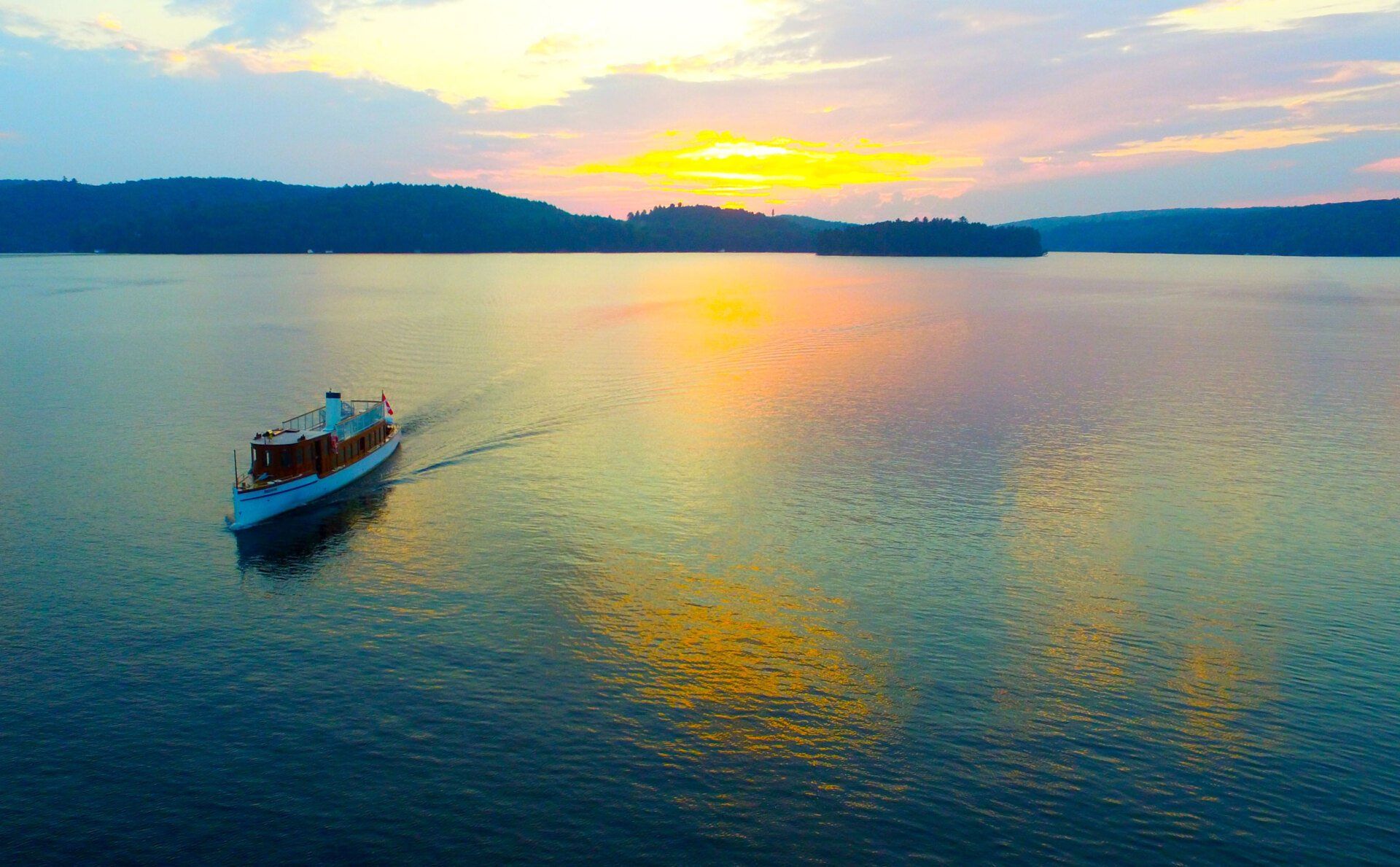
Fully restored and Transport Canada certified, the SS Bigwin carries 30 passengers on heritage cruises from Dorset and Dwight — powered by quiet electric propulsion and continuing a tradition that began over a century ago.
Through the 1920s and into the decades that followed, the SS Bigwin settled into the rhythm of lake life. She was not glamorous in the way the great ocean liners were glamorous. Her beauty was quieter, more practical — the beauty of a thing perfectly suited to its place.
She carried the mail. She carried groceries and building supplies to island cottagers who had no other way to receive them. She carried families to summer dances at the Bigwin Inn, children to swimming lessons, ministers to Sunday services at island chapels. In winter, when the lake froze solid, she rested — but come spring, the whistle would sound again across the bay, and the season would begin anew.
You'd hear the whistle from three bays away. Everyone would stop what they were doing and look toward the water. The Bigwin was coming.
The Bigwin Inn's guest list read like a who's who of the twentieth century. Clark Gable and Carole Lombard, Ernest Hemingway, H.G. Wells, and the Rockefellers all made the crossing to Bigwin Island. Princess Juliana of the Netherlands stayed during the war years. Canadian Prime Minister John Diefenbaker summered there. And the great Big Band leaders — Count Basie, Duke Ellington, Guy Lombardo, Louis Armstrong, and Tommy Dorsey — filled the Inn's legendary dance hall, which could hold over a thousand guests. Heads of the great motor companies, provincial premiers, and society figures from across North America sailed these same waters, drawn by the Inn's reputation as the finest summer destination in eastern North America.
The steamships of Lake of Bays were part of a larger story — one that played out on lakes across Ontario and Quebec. From Muskoka to the Kawarthas, from the Rideau to the Ottawa Valley, steamships were the connective tissue of a country still finding its shape. They linked communities that the railroad couldn't quite reach. They made possible a way of life that depended entirely on the water.
Lake of Bays itself was home to a small fleet of working vessels. The Iroquois, the Mohawk Belle, and others all served the lake at various points. But the SS Bigwin was the hardest worker for the Inn — ferrying guests, celebrities, and supplies to Bigwin Island for four decades, and the one the community ultimately refused to let go.
In the late 1960s, the Bigwin Inn closed its doors for the last time. There were plans for condominiums on the island, but they were never fully realized, and the great resort began its slow decline. With the Inn gone, the SS Bigwin lost her reason for being. She was left in her slip at Bigwin Island — not stored, not maintained, simply abandoned.
Through the 1970s and 1980s, the ship gradually sank. Water crept over her gunwales. Her hull settled into the silt. For two decades, she sat partially submerged — half above the waterline, half below — deteriorating in full view of every boater who passed Bigwin Island. It was a slow, quiet indignity for a vessel that had once carried movie stars and dignitaries to Bigwin Island.
We didn't restore a ship. We restored a connection — between the past and the present, between the water and the people who live beside it.
In 1991, the Lake of Bays Heritage Foundation stepped in and purchased the vessel for one dollar. What followed was one of the most dramatic rescue operations in Muskoka's history. When volunteers attempted to raise the ship, she turned on her side and sank further — a heart-stopping moment for everyone who had fought to save her. It took the combined efforts of the Heritage Foundation and the Dwight Fire Department to finally pull her from the water.
Once ashore, the SS Bigwin was transported to a field in Dwight, where she sat for nearly a decade — saved from the bottom of the lake, but with no clear plan for what came next. She was a ship without a home, without an engine, without a future. But she was above water. And that was enough to keep the dream alive.

In 1999, a man named Jeff Gabura — recently moved to the Lake of Bays area — saw the SS Bigwin sitting in that field in Dwight and decided she had to sail again. The restoration began, as these things often do, with one person who simply couldn't accept the alternative. Gabura rallied a community of cottagers and locals, history lovers and craftspeople. They looked at the SS Bigwin and saw not a relic, but a responsibility.
Restoration work began in earnest in 2002 at a property in Port Cunnington. In 2004, the Lake of Bays Marine Museum and Navigation Society purchased the old Clayton property in Dorset as a permanent home for the ship and the growing collection of maritime artifacts that told the broader story of the lake. The work had found its base.
The work was painstaking. Thousands of hours went into detective work alone — tracing ownership history through archival records, finding authentic materials, locating original equipment. The hull was inspected, repaired, and reinforced. The original steam systems were replaced with modern electric propulsion — batteries and a diesel-electric generator that would give the Bigwin another century on the water while letting passengers experience the lake in near-silence. The woodwork was restored by hand, matching the original joinery as closely as possible. Every decision balanced historical authenticity with modern safety requirements.
On November 17, 2012, the SS Bigwin sailed again for the first time. For everyone who had worked on the restoration — and for the community that had watched and waited — it was a moment that transcended the mechanical. A ship that had been underwater, that had sat in a field, that had been given up for dead by nearly everyone, was moving under her own power across Lake of Bays. The following year, in 2013, she was officially relaunched for public cruises, earning full Transport Canada certification — the highest standard for passenger vessels in this country.
Today, the SS Bigwin carries up to 30 passengers on heritage cruises that depart from Dorset and Dwight. Her quiet electric propulsion lets you hear what matters — the water against the hull, the call of a loon across the bay, the narrated stories that make this stretch of water unlike any other in Canada. Alongside the ship, the Lake of Bays Marine Museum preserves the broader story of the region's maritime heritage: the navigation charts, the photographs, the tools and artifacts of the steamship age.
The SS Bigwin is more than a tourist attraction. She is a registered Canadian heritage vessel, operated by the Lake of Bays Marine Museum & Navigation Society — a Registered Canadian Charity dedicated to ensuring that the stories of this waterway, and the people who shaped it, are preserved for generations to come. When you step aboard, you're not just taking a cruise. You're continuing a tradition that began in 1910, when a wooden-hulled steamship first slid into the water at the Polson Iron Works in Toronto and began a journey that would carry her — and her stories — across more than a century.
The Restoration — In Song
A musical tribute to the volunteers, craftspeople, and community who brought the SS Bigwin back to life.
Then & Now
A Remarkable Transformation
Drag the slider to reveal the journey from decay to restoration
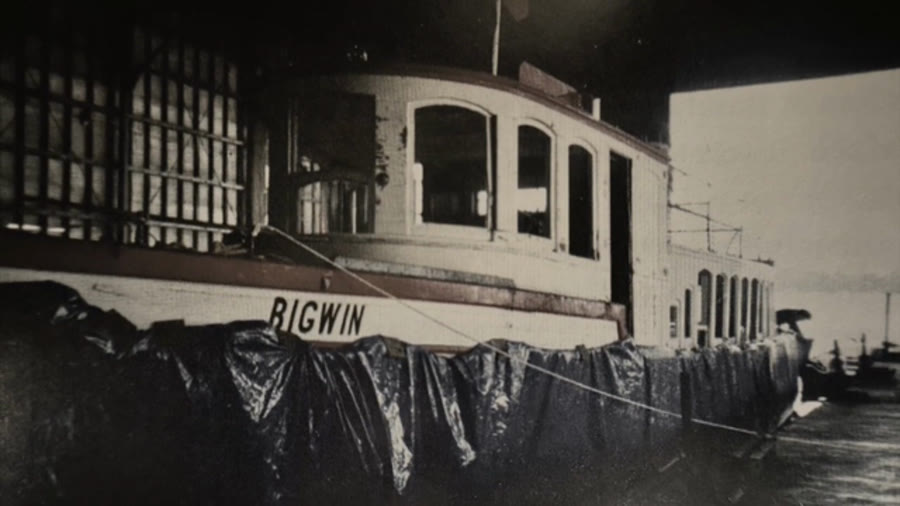
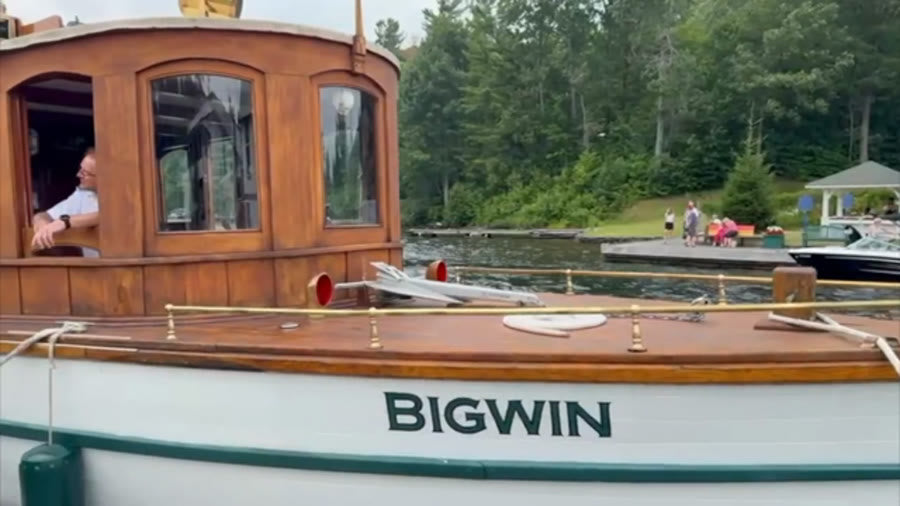
The wheelhouse — from decades under tarps to full restoration
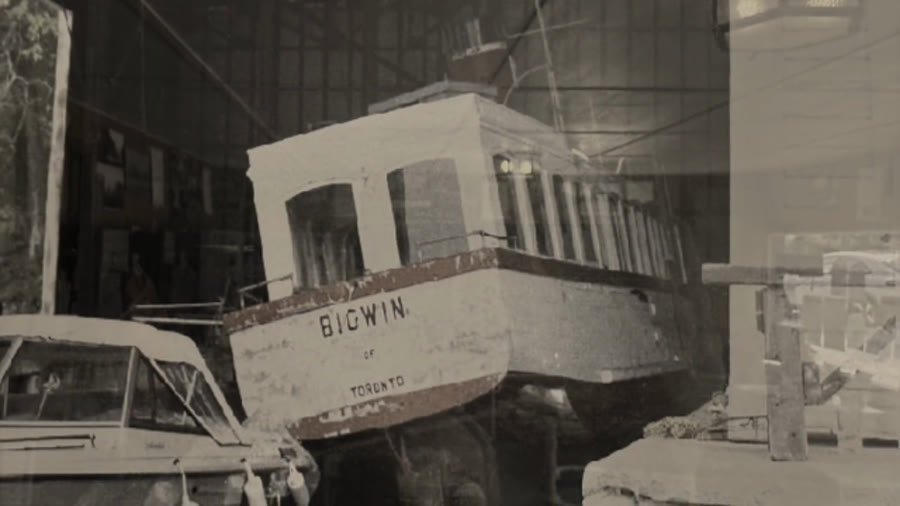
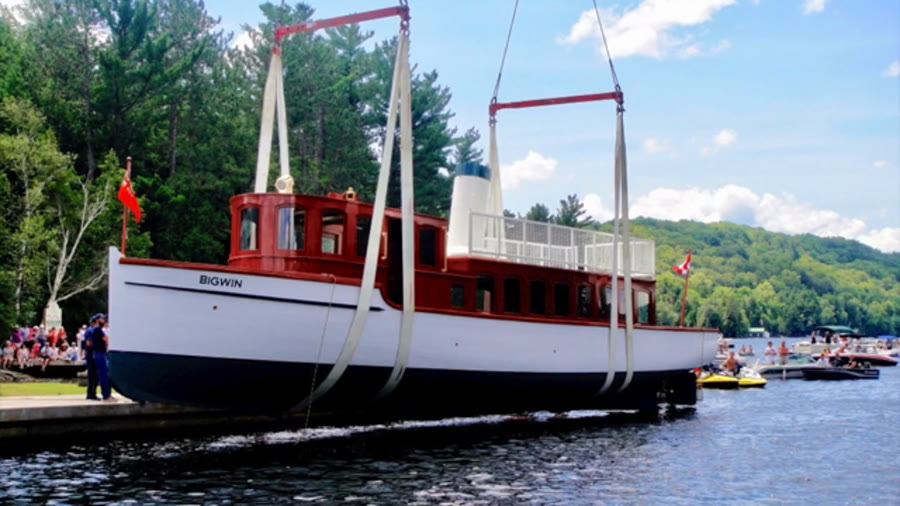
The SS Bigwin — from storage shed to relaunch day
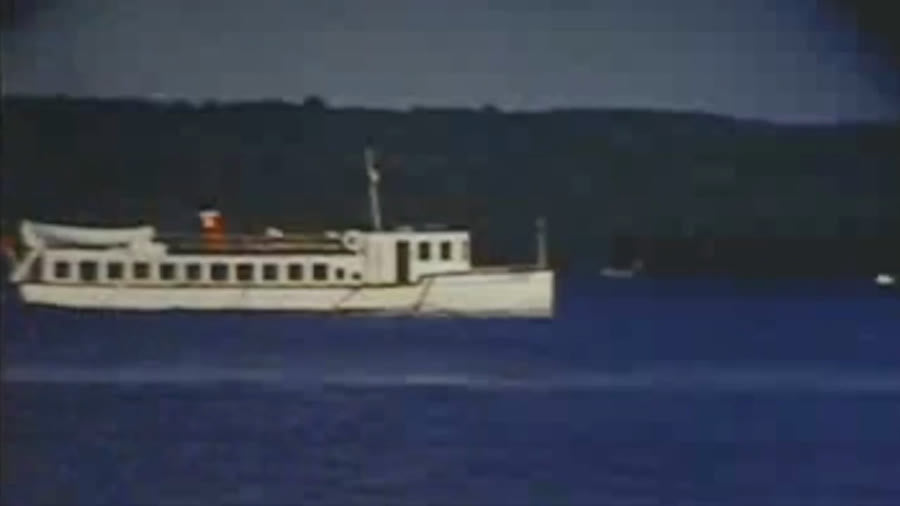
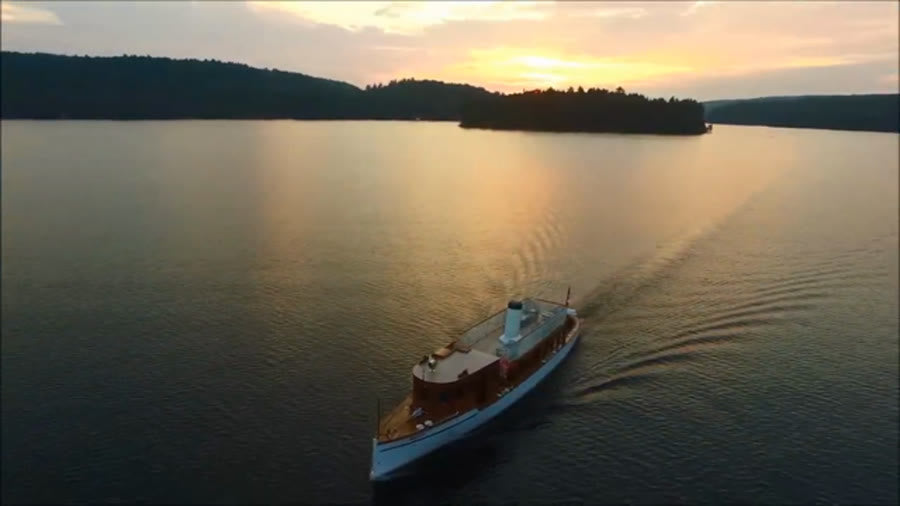
Then and now — sailing Lake of Bays across the decades

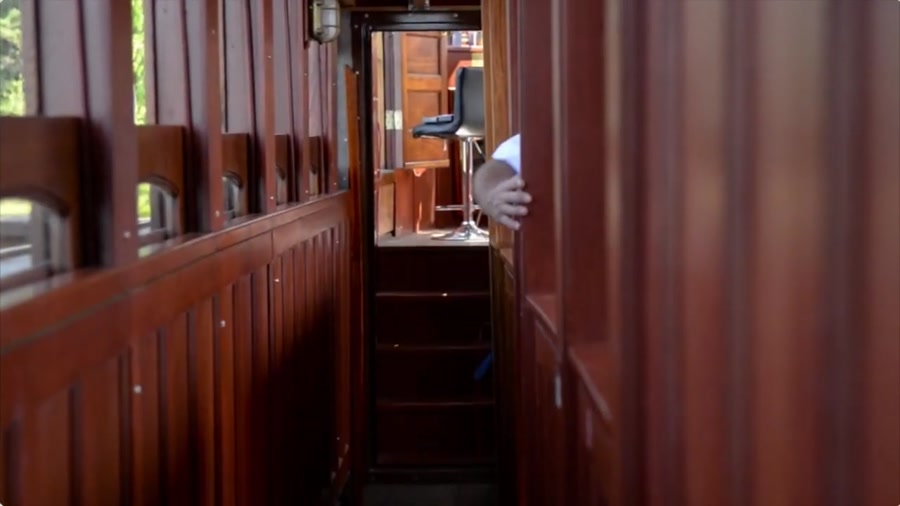
Rebuilt from the keel up — raw timbers to polished mahogany
Explore the Ship
Know Your Vessel
Click a hotspot to explore the features of the SS Bigwin
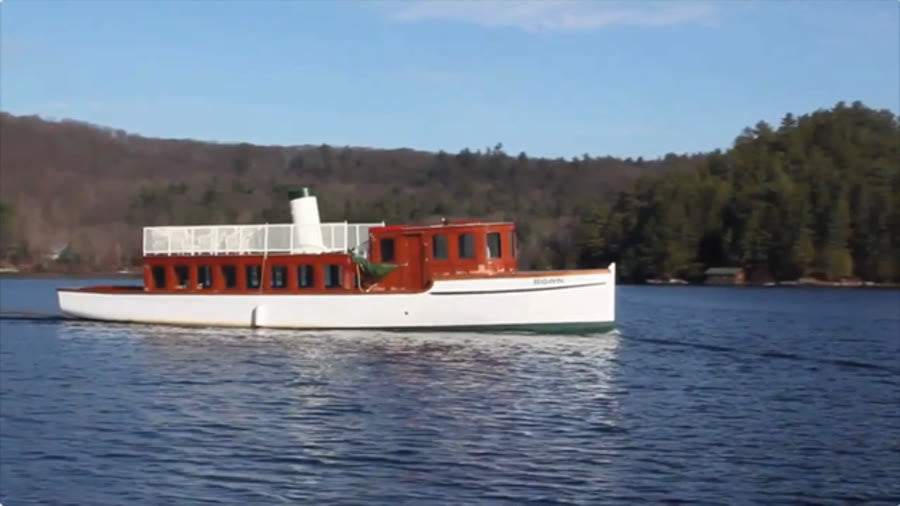
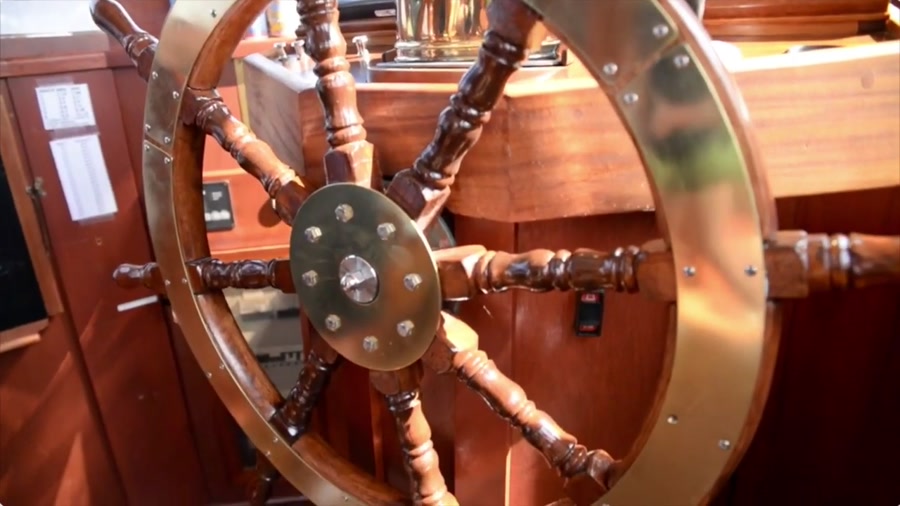
The Wheelhouse
The original wheelhouse has been faithfully restored, featuring brass instrumentation, the ship's wheel, and navigation equipment that guides the SS Bigwin across Lake of Bays.
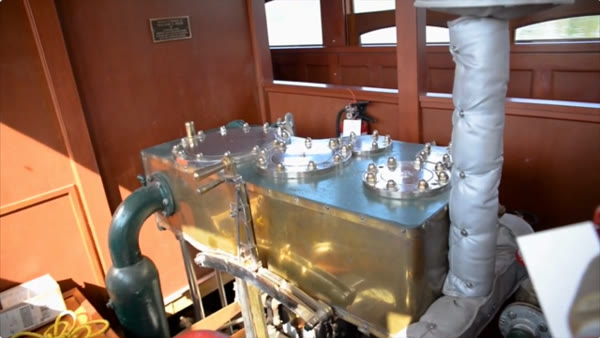
Engine Room
The heart of the ship — completely rebuilt with modern propulsion systems, replacing the original steam plant. The result is a quieter, cleaner ride with no exhaust and near-silence on the water. Transport Canada certified for passenger safety.

Upper Deck
The open-air upper deck offers panoramic views of Lake of Bays. Passengers can feel the breeze off the water as the narrated heritage cruise winds through the bays and islands.

The Bow
The distinctive bow of the SS Bigwin has been an icon on Lake of Bays since 1925 — a silhouette recognized by generations of cottagers and visitors.

The Volunteers
The SS Bigwin was restored by a dedicated community of volunteers — cottagers, locals, and history lovers who refused to let this vessel be lost to time.
Historic Gallery